
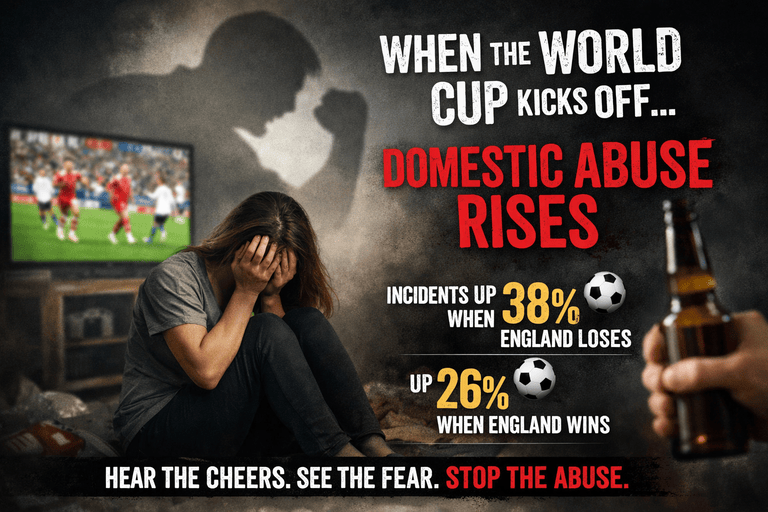
When the World Cup Begins, Violence Against Women and Girls Quietly Rises
When the World Cup begins, violence against women and girls quietly rises.
Incidents of domestic abuse increase by 38% when England loses and 26% when England wins.
At Halo, we help professionals see these patterns early, turning data into action that protects women and girls.
Domestic abuse doesn’t pause for football.
Neither should our response.

Mental Health Awareness: The Quiet Weight Behind the Work
In human services, the emotional weight of the work often builds quietly, in the stories workers carry, the decisions they hold, and the moments that stay with them long after the day ends.
We’re recognising how important it is for practitioners to have systems that support them, not add to the strain.
Halo brings clarity to caseloads, reduces friction in daily tasks, and gives workers the space to think, breathe, and make confident decisions.
Wellbeing isn’t separate from the work, it shapes the quality of it.

Stress Awareness Month - How Halo Reduces Stress in Case Management
Stress in casework doesn’t arrive loudly. It gathers — in the tabs left open, in the tasks waiting their turn, in the quiet weight of “not yet.”
Halo helps the day breathe again.
Clear priorities. Calmer caseloads. A system that removes friction instead of adding to it.
If the work has felt heavier than it should, this chapter is worth reading.
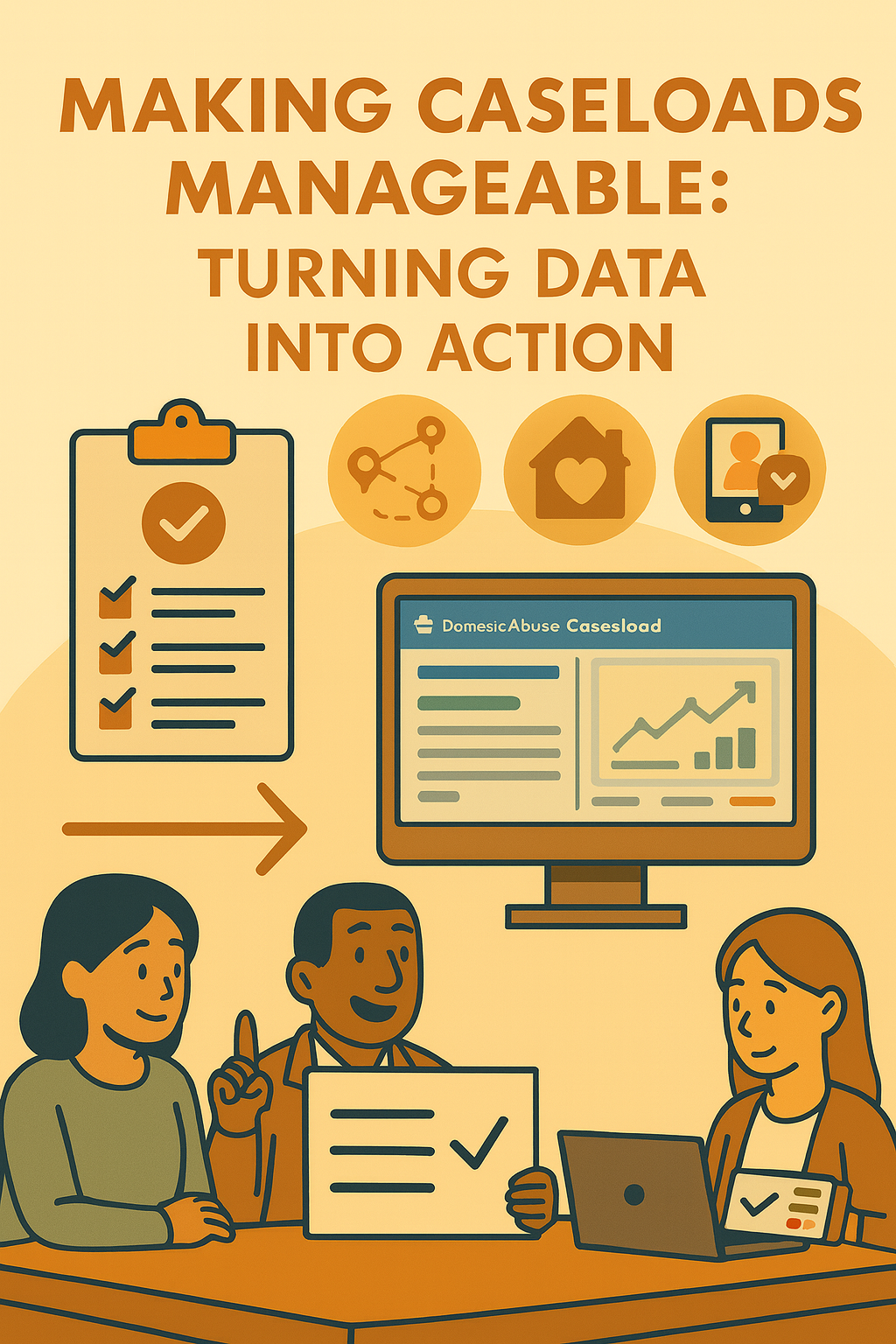
Making Caseloads Manageable: Turning Data into Action
Caseloads don’t tip all at once.
They drift. Quietly, almost imperceptibly, until the weight becomes hard to name.
Halo brings the shape of things back into view.
Clear signals.
Calmer days.
Data that finally points somewhere.
If you’ve felt the slow creep of overwhelm, this piece is worth a moment.
The full story is here.
Common Misconceptions About Case Management Systems
Case management systems aren’t “just admin,” and low usage isn’t a training issue. Most myths come from misalignment, when systems don’t reflect real practice, people create workarounds.
When the system matches operational reality, everything changes: clearer risk visibility, stronger continuity, fewer shadow systems, and a shared record teams can trust.
Read the full myth‑busting breakdown:
The Future of Domestic Abuse Case Management: Trends to Watch in 2026
Casework is getting more complex. Evidence expectations are rising. Frontline pressure isn’t slowing down.
The future of domestic abuse case management isn’t about dramatic transformation, it’s about fit. Systems that reduce friction, reflect layered need, and give leaders confidence in the record will define 2026.
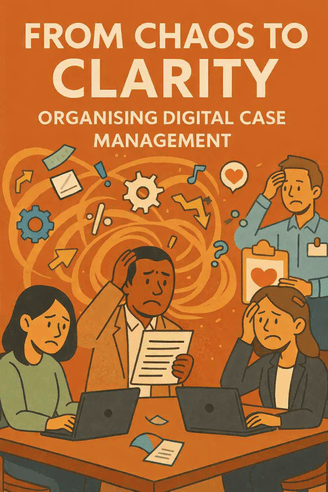
From Chaos to Clarity – Organising Digital Case Management
Case management doesn’t fall into chaos overnight. It happens quietly. A spreadsheet here, a workaround there.
This blog looks at how services can restore clarity, reduce cognitive load, and rebuild confidence in the record.

How data elevates service delivery
Most services don’t struggle because people don’t care.
They struggle because visibility is partial.
Work is happening. Decisions are being made. Risk is being managed.
But without clear, trusted data, much of that effort is hard to see — even internally.
In practice, information often sits in fragments.
Notes in different places.
Context held in memory.
How reporting tools help domestic abuse services demonstrate impact to funders
Domestic abuse services are under increasing pressure to demonstrate impact, not just activity.
Funders want to understand: who is being supported, how risk is being identified and reduced and what difference the service is making over time
The challenge is that this evidence often has to be drawn from complex, emotionally demanding work across multiple practitioners, agencies, and referral routes.
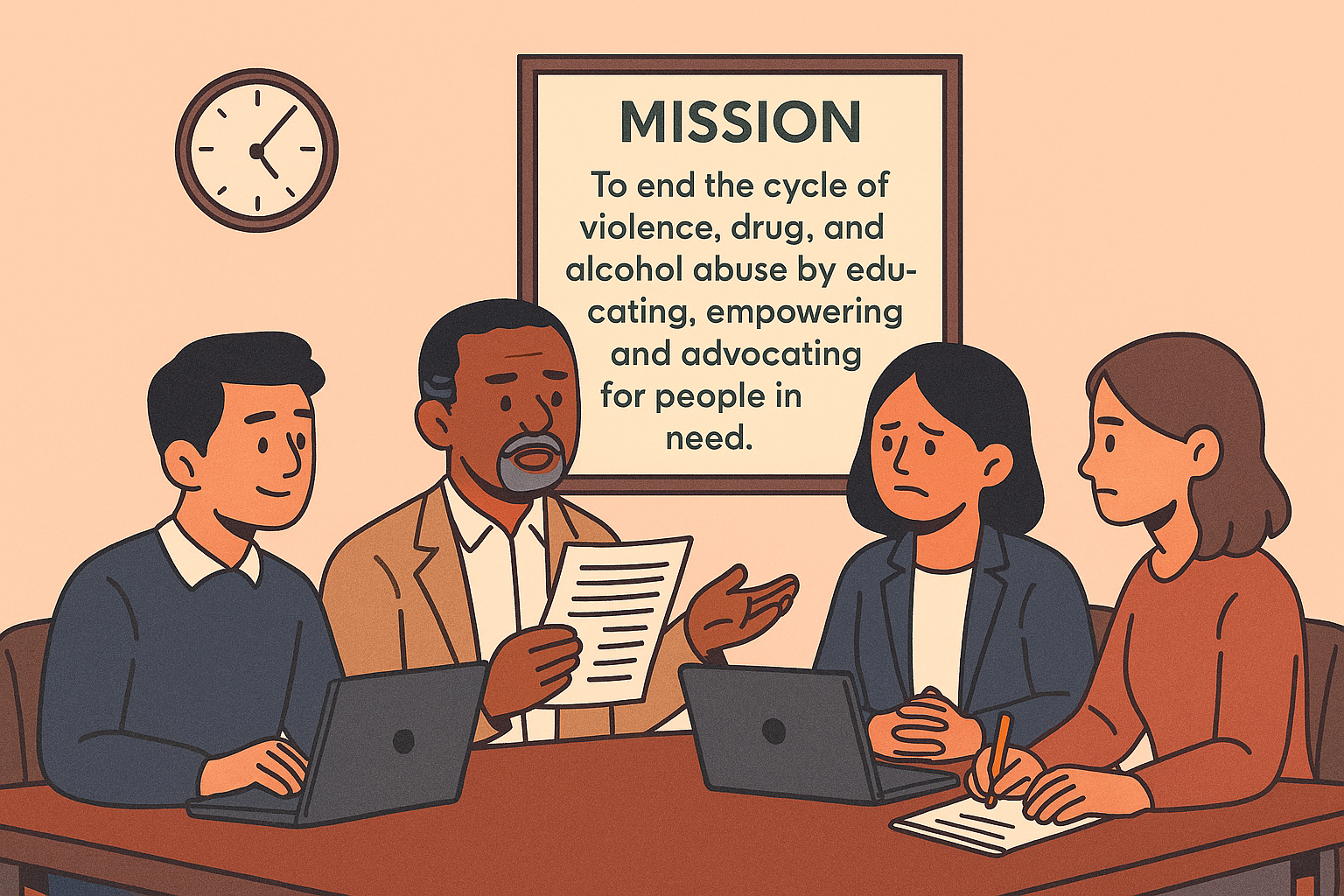
The Art of Miscommunication
Most projects start with the same thing: good intentions.
When people from support services and software teams come together, everyone is there for the right reasons. There’s energy, optimism, and a shared desire to make things better. And yet, miscommunication can creep in not through failure, but through difference.