

Common Misconceptions About Case Management Systems
Case management systems aren’t “just admin,” and low usage isn’t a training issue. Most myths come from misalignment, when systems don’t reflect real practice, people create workarounds.
When the system matches operational reality, everything changes: clearer risk visibility, stronger continuity, fewer shadow systems, and a shared record teams can trust.
Read the full myth‑busting breakdown:
The Future of Domestic Abuse Case Management: Trends to Watch in 2026
Casework is getting more complex. Evidence expectations are rising. Frontline pressure isn’t slowing down.
The future of domestic abuse case management isn’t about dramatic transformation, it’s about fit. Systems that reduce friction, reflect layered need, and give leaders confidence in the record will define 2026.
From Chaos to Clarity – Organising Digital Case Management
Case management doesn’t fall into chaos overnight. It happens quietly. A spreadsheet here, a workaround there.
This blog looks at how services can restore clarity, reduce cognitive load, and rebuild confidence in the record.
How reporting tools help domestic abuse services demonstrate impact to funders
Domestic abuse services are under increasing pressure to demonstrate impact, not just activity.
Funders want to understand: who is being supported, how risk is being identified and reduced and what difference the service is making over time
The challenge is that this evidence often has to be drawn from complex, emotionally demanding work across multiple practitioners, agencies, and referral routes.
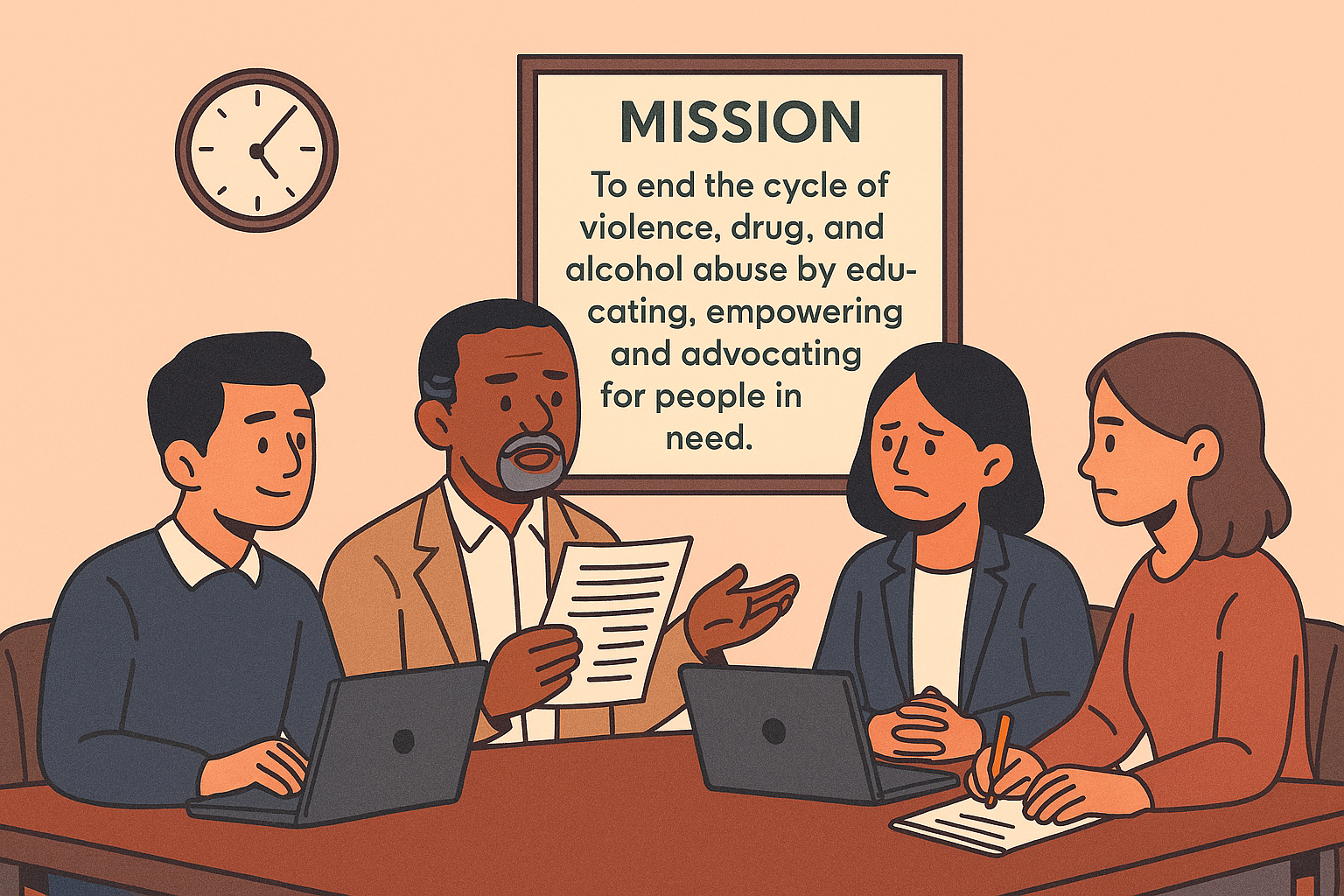
The Art of Miscommunication
Most projects start with the same thing: good intentions.
When people from support services and software teams come together, everyone is there for the right reasons. There’s energy, optimism, and a shared desire to make things better. And yet, miscommunication can creep in not through failure, but through difference.