
The Art of Miscommunication
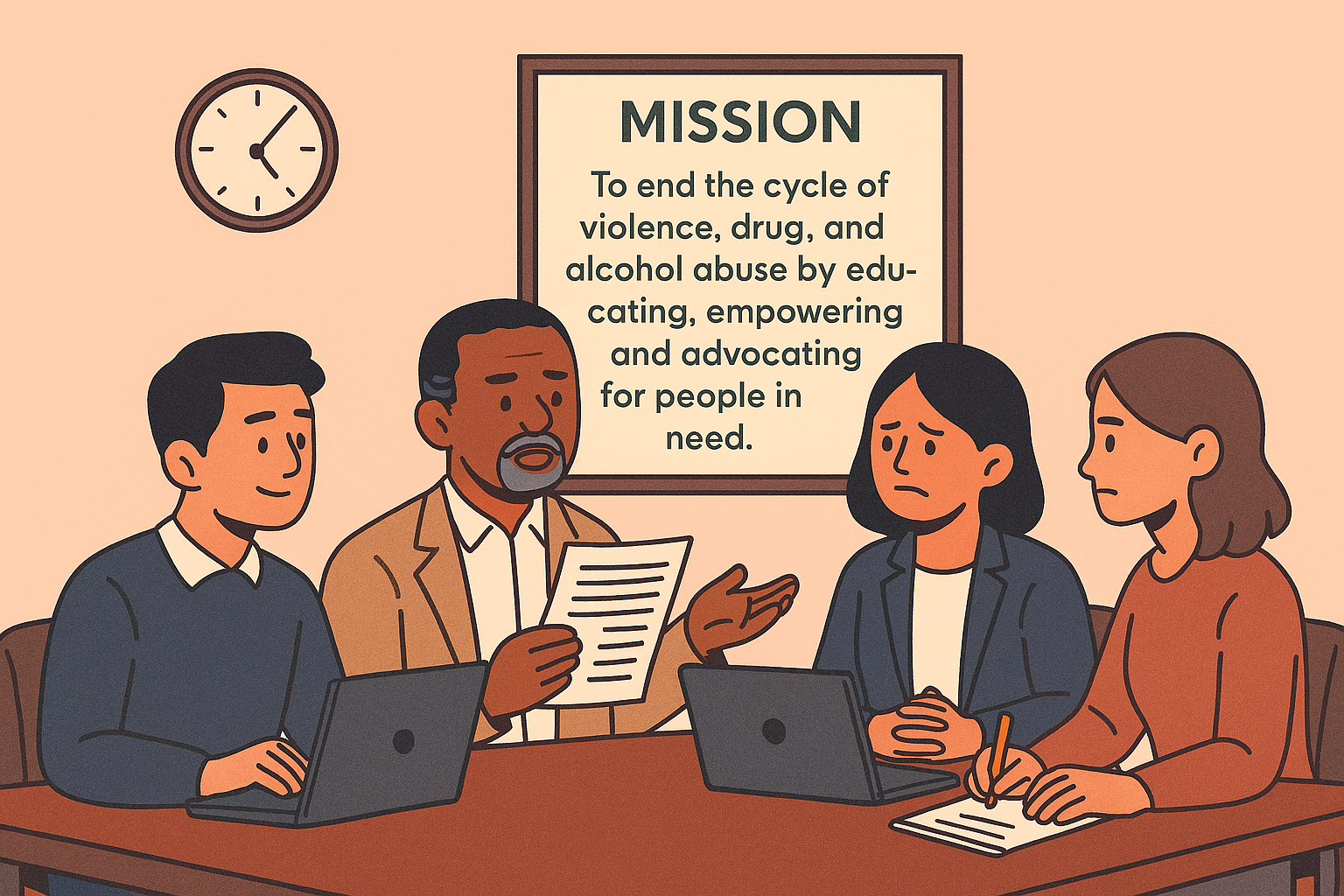
Most projects start with the same thing: good intentions.
When people from support services and software teams come together, everyone is there for the right reasons. There’s energy, optimism, and a shared desire to make things better. And yet, miscommunication can creep in not through failure, but through difference.
Different roles speak different languages.
Some think in terms of people, risk, and real-world pressures.
Others think in systems, data, and structure.
Neither is wrong but without care, they can talk past each other.
As projects evolve, so do ideas. New requirements emerge. Priorities shift. Staff change. What felt clear at the start can blur over time, and suddenly progress feels harder than it should.
What we’ve learned is this:
Shared understanding matters more than perfect specifications
Involving frontline voices early saves time later
Fewer, consistent decision-makers reduce drift
And open, respectful communication beats assumptions every time
When technology supports complex human services, alignment isn’t a “nice to have”, it’s essential.
Miscommunication isn’t a failure. It’s a signal.
A reminder to slow down, listen better, and reconnect with the purpose that brought everyone to the table in the first place.
Because when people and systems truly understand each other, the impact is stronger for teams, services, and the people they support.