
The Art of Miscommunication - When Code Meets Care
🌱 Starting with Good Intentions
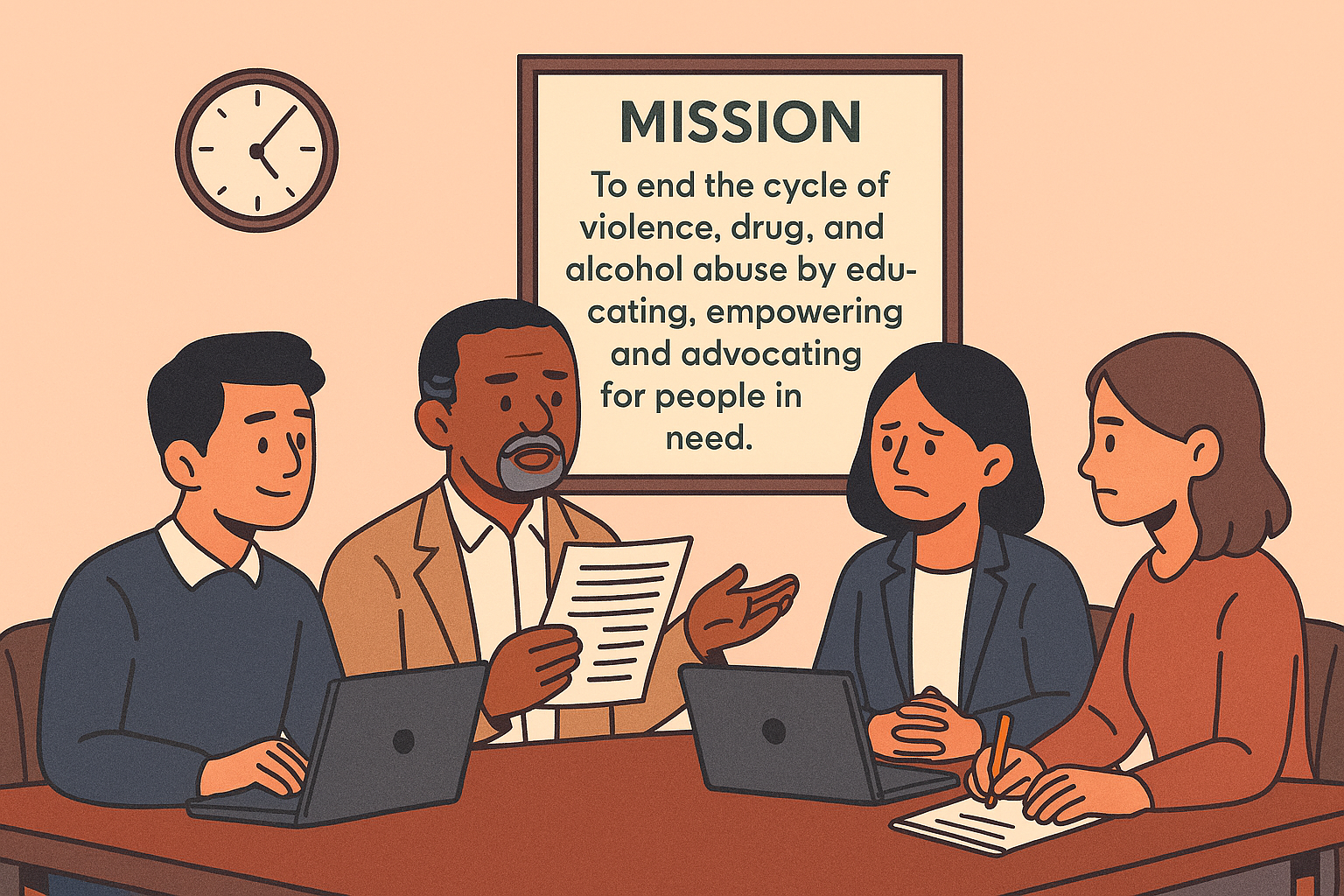
Designing a new system for drug, alcohol, or domestic abuse services often begins with genuine enthusiasm. The kick-off meeting is full of energy stakeholders, project managers, and system designers come together, each bringing their hopes, ideas, and expertise to the table.
It’s a moment filled with purpose. But it’s also where miscommunication can quietly begin, not out of neglect, but simply because everyone sees the world through a different lens.
🧠 Speaking Different Languages
On paper, it looks like everyone’s aligned. But in practice? One group is focused on trauma-informed care, safeguarding, and the realities of frontline work. The other is thinking about data structures, hosting platforms, and system security.
It’s a bit like trying to co-write a story one person’s crafting a heartfelt drama, the other’s building a sci-fi adventure. Both are passionate, but the plotlines don’t always match.
🍲 Many Voices, One Vision (Hopefully)
As the project unfolds, new ideas surface:
One stakeholder feels the requirements are set.
Another suggests adding referral tracking.
A new team member proposes integration with external systems.
Each idea comes from a place of care and commitment. But without a shared roadmap, the project can start to feel like it’s zigzagging evolving constantly, but not always in the direction everyone expected.
And when staff turnover happens, new perspectives can shift the vision again, making it harder to maintain consistency.
😓 From Excitement to Exhaustion
What starts as a hopeful sprint can slowly turn into a marathon of revisions.
Features once considered “nice-to-have” become essential.
Business needs shift midstream.
The system now needs to support anonymous reporting, multi-agency collaboration, and trauma-sensitive design, none of which were in the original scope.
And if frontline workers weren’t involved from the beginning, the final product might look polished but feel impractical, like trying to file a report using a microwave.
💡 What Works Best
The most successful projects in this space tend to share a few key ingredients:
A small, focused group of stakeholders who stay involved throughout.
Frontline staff included early and often as their lived experience is invaluable.
Clear, respectful communication that bridges technical and service-based language.
A shared understanding that this isn’t just about building software, it’s about supporting people with dignity, safety, and care.
🌟 Final Thoughts
Miscommunication is common in software projects especially when the work touches lives so deeply. But with empathy, patience, and a commitment to listening, it’s possible to build systems that truly serve.
Because when technology meets care, the goal isn’t just functionality it’s trust, compassion, and impact.